By entering this website, you acknowledge and certify that you are at least 21 years of age.
are you 21+
years old?
years old?


How Thomas Ericsson, the father of the modern nicotine pouch, went back to the lab
Every category has a founding figure. For the nicotine pouch, it's a 74-year-old Swedish pharmaceutical scientist most people have never heard of: Thomas Ericsson.
He's the chemist who designed Zyn's formula. He's also the chemist who designed Sesh's.
That's not a marketing line. It's the quiet through-line of the entire white-pouch category, and, once you understand it, the last fifteen years start to look very different.
Ericsson's work didn't start in a boardroom. It started in the late 1980s and early 1990s, when he and a small group of Swedish pharmaceutical researchers set out to answer a simple question: could you deliver nicotine without tobacco leaf, without smoke, and without the mess of traditional snus?
For almost two decades, the answer was not quite. White pouch prototypes were too dry or too harsh. The pH was off. The mouthfeel was wrong. Gum irritation was a recurring problem.
By 2008, Ericsson had cracked enough of it. That year, three Swedish scientists gathered in a Helsingborg laboratory to test the first viable white nicotine pouch. Ericsson soon after patented the formulation.
A tobacco conglomerate noticed.
In 2009, Swedish Match approached Ericsson about commercializing his white pouch. The product cycled through a few test names most Americans never saw before landing on the one that stuck.
In 2014, a small chain of Colorado convenience stores called Smoker Friendly put a quiet little can on the counter with three letters on the lid: ZYN.
It didn't take off overnight. For years, Zyn was a regional curiosity. Then, around 2020, the internet found it. Zyn became a cultural phenomenon. By 2022, it was generating roughly $2 billion a year and controlled about 70% of the U.S. nicotine pouch market.
And that's when everything changed.

In November 2022, Philip Morris International closed a $16 billion takeover of Swedish Match. Zyn, the independent Swedish innovation, became the centerpiece of a tobacco giant's smoke free future strategy.
For Ericsson, the sale was a milestone. It also meant his original formulation was now locked inside a corporate portfolio the size of a small country's GDP, scaled for billions of cans and no longer subject to the tinkering of the scientist who built it.
So he did what researchers do. He went back to the lab.
Around 2020, a founder named Max Cunningham was building a new company in Austin, Texas. He wanted a nicotine pouch that didn't dry out and prioritized user comfort more than other products on the market did. He did what every serious pouch founder eventually does. He called Thomas Ericsson.
Ericsson didn't just consult. He designed the formulation.
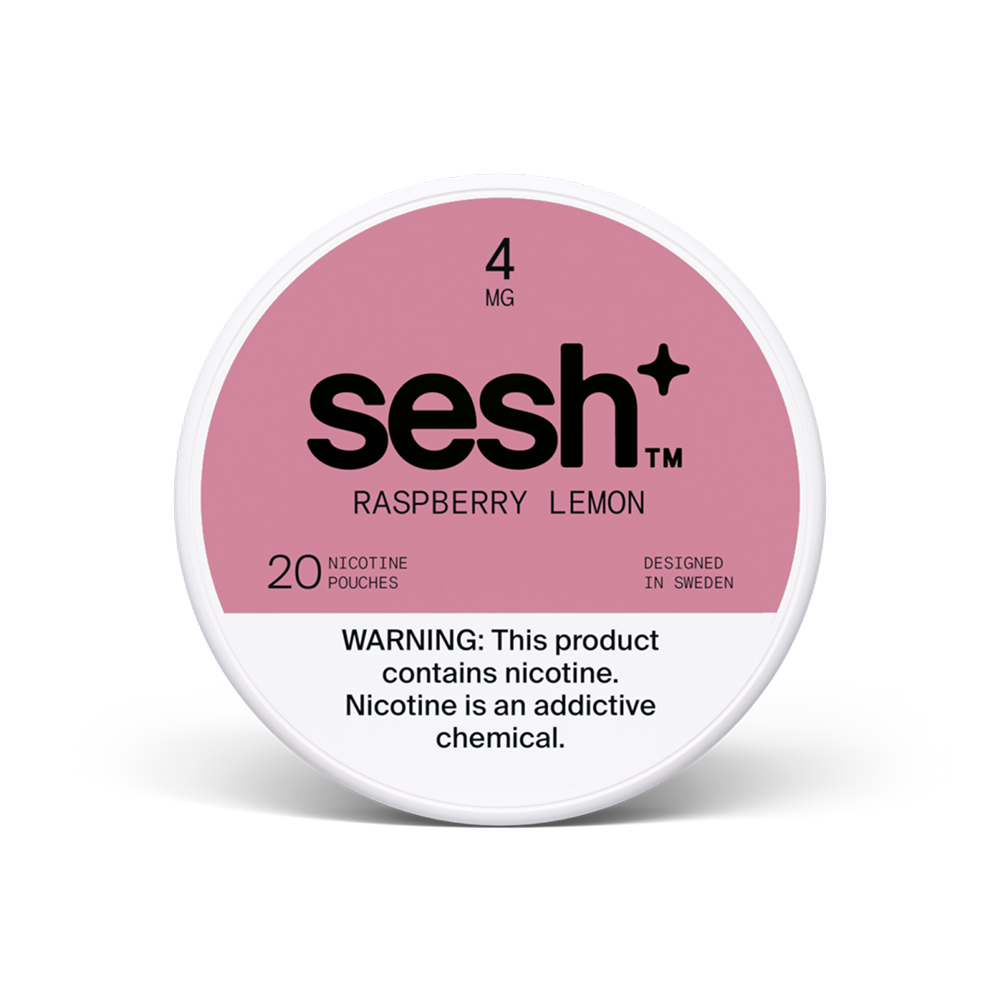
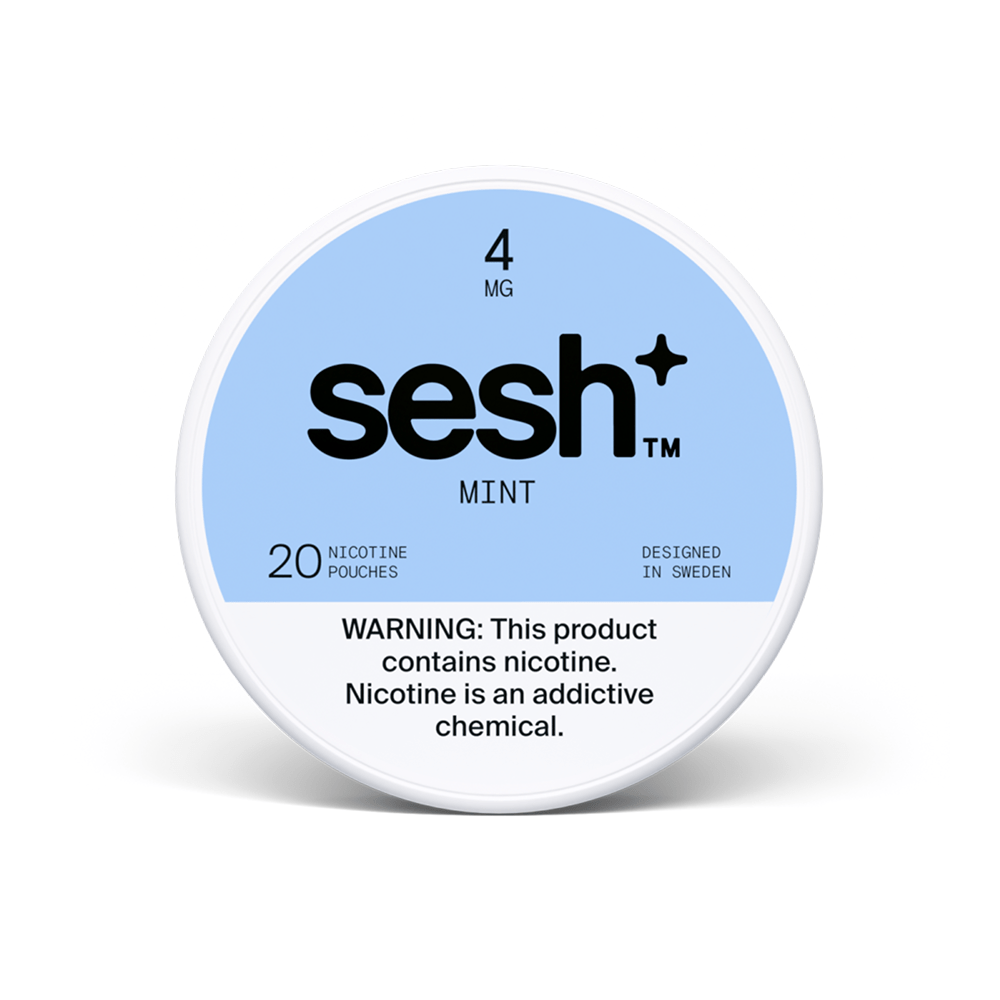
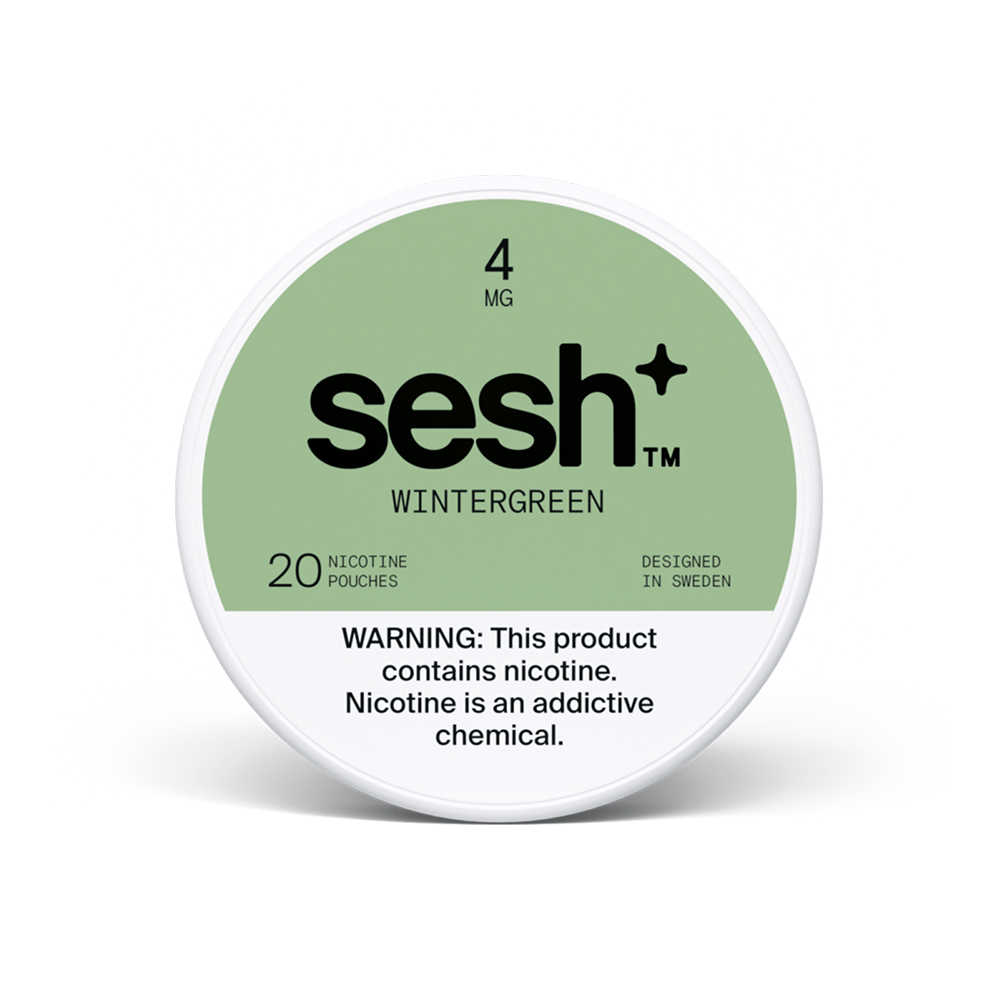
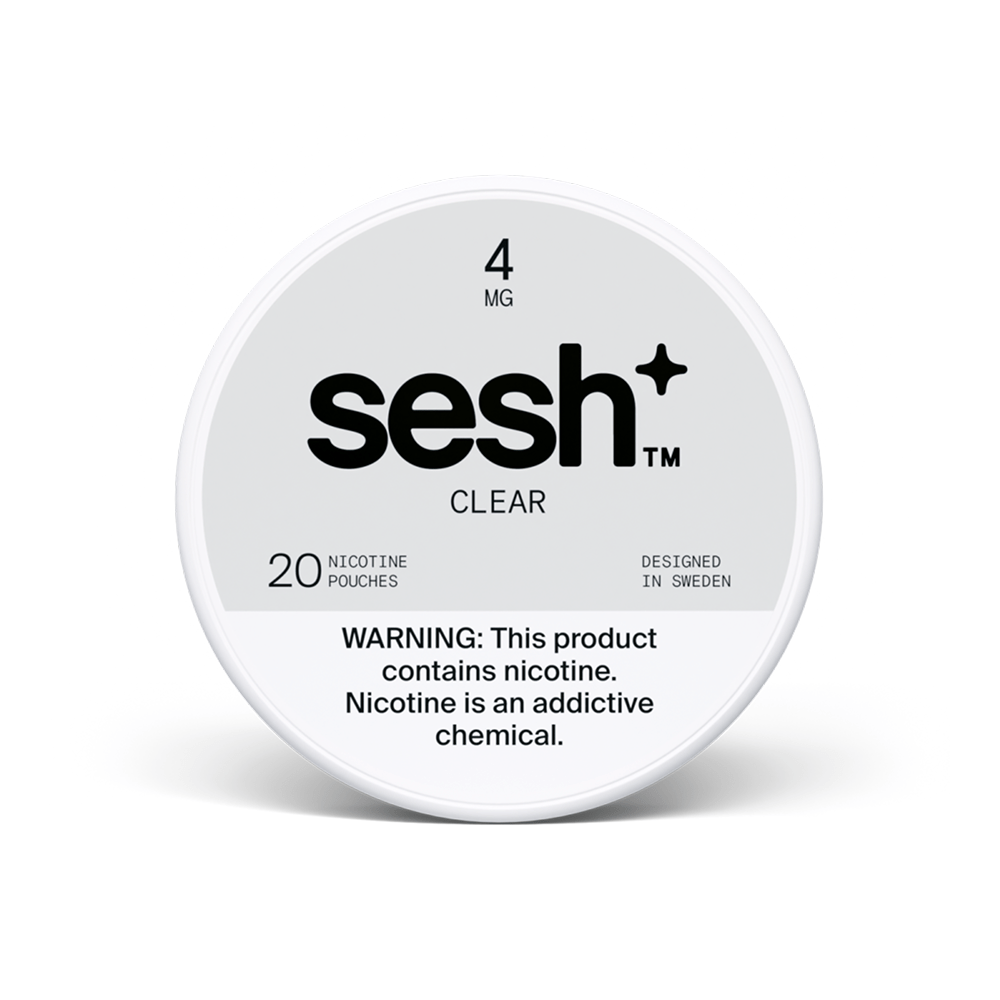
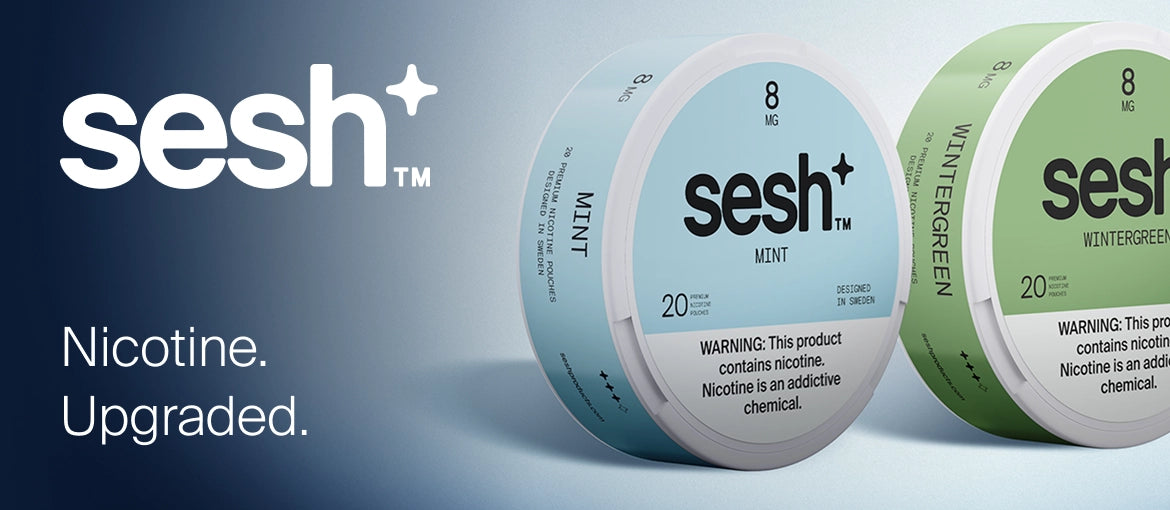
The result was the Sesh+ nicotine pouch, launched in late 2021: a patented, pH-balanced, gum-based nicotine pouch built on pharmaceutical-grade synthetic nicotine (10% Nicotine Beta-Cyclodextrin) and blended with MCT oil to address the dryness and mouthfeel issues that Cunningham set out to solve. Fast forward to today, Cunningham’s company manufactures the products in Ohio using premium, globally sourced ingredients.
Designed by the same hand that drew the first one, with seven more years of research, feedback, and chemistry baked in.
By September 2025, Sesh had raised over $40 million from 8VC, Troy Link, Electric Feel Ventures, Post Malone, and Diplo, landing national distribution at retailers such as Buc-ee's, Sheetz, QuikTrip, and Circle K.
From the first white pouch prototype to Sesh+ nicotine pouches on shelves nationwide, here's how the category developed:
Year |
Milestone |
|
Late 1980s |
Thomas Ericsson begins researching tobacco-free nicotine delivery in Sweden |
|
2008 |
Ericsson and fellow scientists test the first viable white nicotine pouch in a Helsingborg lab |
|
Late 2000s |
Ericsson patents the white-pouch formulation |
|
2009 |
Swedish Match approaches Ericsson to bring the pouch to market |
|
2014 |
Zyn officially launches in Colorado convenience stores |
|
~2020 |
Zyn reaches national scale in the U.S.; the nicotine pouch category takes off |
|
Nov 2022 |
Philip Morris International acquires Swedish Match for $16 billion |
|
2020 |
Max Cunningham founds Sesh in Austin, Texas |
|
2021 |
Sesh launches a patented, pH-balanced, MCT-oil nicotine pouch formulation designed by Ericsson |
|
Sept 2025 |
Sesh raises $40M+ led by 8VC, with Post Malone and Diplo participating |
The story most people tell about nicotine pouches is a brand story: Zyn won, everyone else is chasing.
The real story is a scientist's story. One chemist has been working on the same problem for forty years. His first commercial answer became a cultural phenomenon, then was sold to one of the largest tobacco companies on earth. His most recent answer sits in a different can, with a different name, built on everything he learned along the way.
Sesh isn't a reaction to Zyn. It's what its inventor did afterwards.


COMES IN MANY DIFFERENT AND UNIQUE FLAVORS
MADE WITH PREMIUM AND HIGH QUALITY INGREDIENTS
long-lasting flavor THAT LASTS up to 30 minutes
The FDA, however, took a softer stance toward pouches, including soliciting applications from manufacturers, including Sesh, which have been allowed to operate. In early 2025, the agency approved marketing for different Zyn products, including its flavored offerings, which signaled a clear path for other companies that had already submitted applications.

POST MALONE
Singer

DJ Khaled
Record Producer

Diplo
Music Producer

Jake Paul
Influencer, Professional Boxer

Andrew Schulz
American Comedian and Actor

Zac Brown Band
Musical Band

Zach Bryan
American Singer-Songwriter
The FDA, however, took a softer stance toward pouches, including soliciting applications from manufacturers, including Sesh, which have been allowed to operate. In early 2025, the agency approved marketing for different Zyn products, including its flavored offerings, which signaled a clear path for other companies that had already submitted applications.
Meanwhile, Sesh continues to grow, with 30 full-time employees and availability in more than 5,000 stores across the U.S. and Canada. Cunningham said the company is on track to grow 500% year over year.

Be the first to hear about our exclusive offers.
Subscribe to our newsletter and be the first to hear about our exclusive offers.