By entering this website, you acknowledge and certify that you are at least 21 years of age.
are you 21+
years old?
years old?
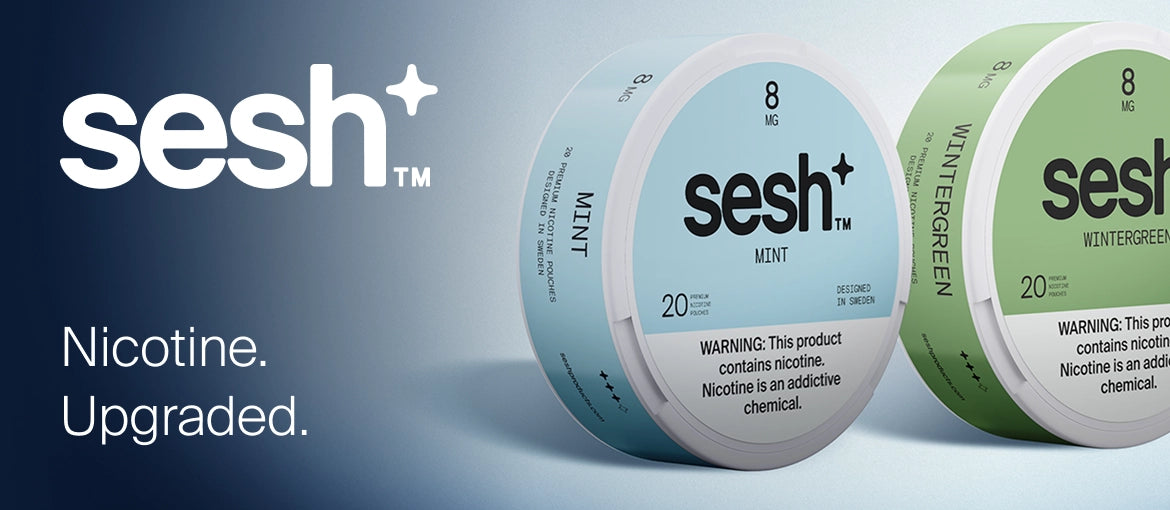


Whether you are an adult exploring smoke-free alternatives or an experienced user looking to better understand product options, this glossary provides clear, factual definitions of essential nicotine pouch terminology.
The included terms cover a broad range of product fundamentals, such as tobacco-free formats, synthetic nicotine, and pouch construction. You will also find explanations for key technical concepts, including nicotine salt chemistry, pH levels, buffering agents, and oral absorption mechanics.
Additionally, the guide explores practical considerations like nicotine strength levels, flavor profiles, and release rates to help you make informed purchasing decisions.
By exploring this glossary, you will gain:
A specialized, food-grade plant fiber used as the primary structural filler in tobacco-free pouches. It provides the necessary bulk and texture while maintaining moisture, performing a similar role to microcrystalline cellulose in stabilizing the pouch's composition.
A tobacco-free nicotine product composed of high-quality plant fibers instead of tobacco leaf. This format is designed to remain white throughout use, significantly reducing the risk of tooth staining compared to traditional snus. It offers a discreet, modern alternative with a broad range of nicotine concentrations and flavor profiles.
A substance, typically an alkaline compound, used in oral nicotine products to regulate oral pH levels. By increasing the alkalinity of saliva, these agents convert nicotine into its non-ionized state, allowing it to penetrate the oral mucosa and enter the bloodstream more rapidly and effectively.
A form of nicotine produced via synthetic or pharmaceutical-grade processes that bypasses traditional tobacco plant curing (the drying and fermentation of leaves). It is typically refined into a freebase state, meaning it is not bound to an acid, to ensure rapid absorption into the bloodstream.
The consumption of nicotine in a low-profile manner that produces no smoke, vapor, odor, or waste (such as spitting). This is characteristic of small, tobacco-free pouches placed between the lip and gum, allowing for use in restricted environments like offices, restaurants, or public transit.
A tobacco-free nicotine sachet manufactured with minimal moisture content, characterized by a firm texture and white appearance. These pouches are engineered for a gradual, extended release of nicotine and flavor, contrasting with moist versions that provide an immediate effect.
The following table outlines the key differences between dry and moist nicotine pouches:
| Feature | Dry Pouches | Moist Pouches |
| Feel | Firm, dry, often smaller | Soft, spongy, fuller |
| Release | Slow and gradual | Fast and intense |
| Duration | Longer lasting (30-60 min) | Shorter (25-35 min) |
| Drip | Very low | Moderate to high |
The distinct sensory identity of a pouch is defined by the combination of taste, aroma, and intensity. Utilizing food-grade flavorings, these profiles encompass both specific flavors (such as mint, citrus, or coffee) and tactile sensations like cooling or warming, designed to remain consistent throughout use.
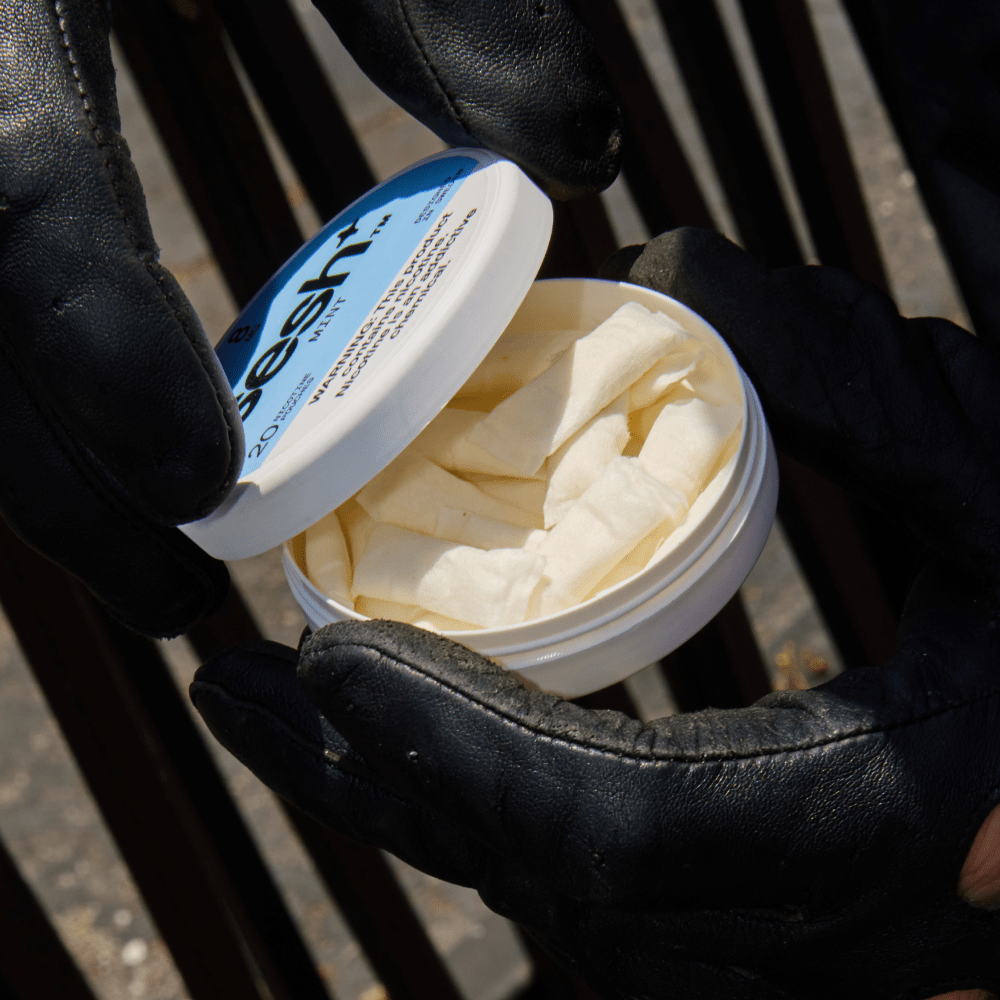
 Photo from Sesh+ Products
The specific physical dimensions, shape, and weight of a nicotine pouch. Typically categorized as mini, slim, or large, the format dictates the level of discretion, under-the-lip comfort, and the duration of nicotine and flavor release.
A food-grade structural filler, derived from plant-based or synthetic materials, that provides volume and comfort, similar to the base used in chewing gum. It is often incorporated into pouches to enhance mouthfeel and facilitate a more controlled, sustained release of nicotine compared to standard plant fibers.
The strategic positioning of a nicotine pouch is between the lip (typically the upper) and the gum tissue. This placement facilitates efficient nicotine delivery through the oral mucosa while maintaining user comfort and discretion.
A high-potency nicotine category designed for experienced users with elevated tolerance levels. These products provide a rapid, aggressive release, often accompanied by a pronounced tingling sensation.
| Strength Category | Nicotine Range (mg/pouch) | Typical User Profile |
| Low | 4 – 6 mg per pouch | Beginners or casual users |
| Normal/Regular | 8 – 12 mg per pouch | Established daily users |
| Strong | 14 – 20 mg per pouch | Experienced users with moderate tolerance |
| Extra Strong | 25 – 30 mg per pouch | Experienced users with high tolerance |
| Ultra/Extreme | 30+ mg per pouch | Advanced users with a very high tolerance |
Note: Milligram counts represent the total nicotine content per pouch; actual absorption rates may vary based on product pH, moisture, and usage duration.
A functional carrier oil, typically sourced from coconut or palm kernel oil, is used as a lubricant and non-stick agent in nicotine pouches. It enhances the user experience by improving mouthfeel, intensifying flavor delivery, and preventing the pouch material from adhering to the gum line.
The milligram weight of nicotine contained within a single unit. While this serves as the primary indicator of a product's strength, typically ranging from 1 mg to 30mg+, the actual perceived intensity is further influenced by the pouch's pH level, moisture content, and flavor profile.
A category of tobacco-free, all-white nicotine pouches flavored with mint extracts like menthol, spearmint, or peppermint. These are characterized by a cooling sensation and a clean, neutral finish that makes them the market’s leading choice for consistent, all-day use.
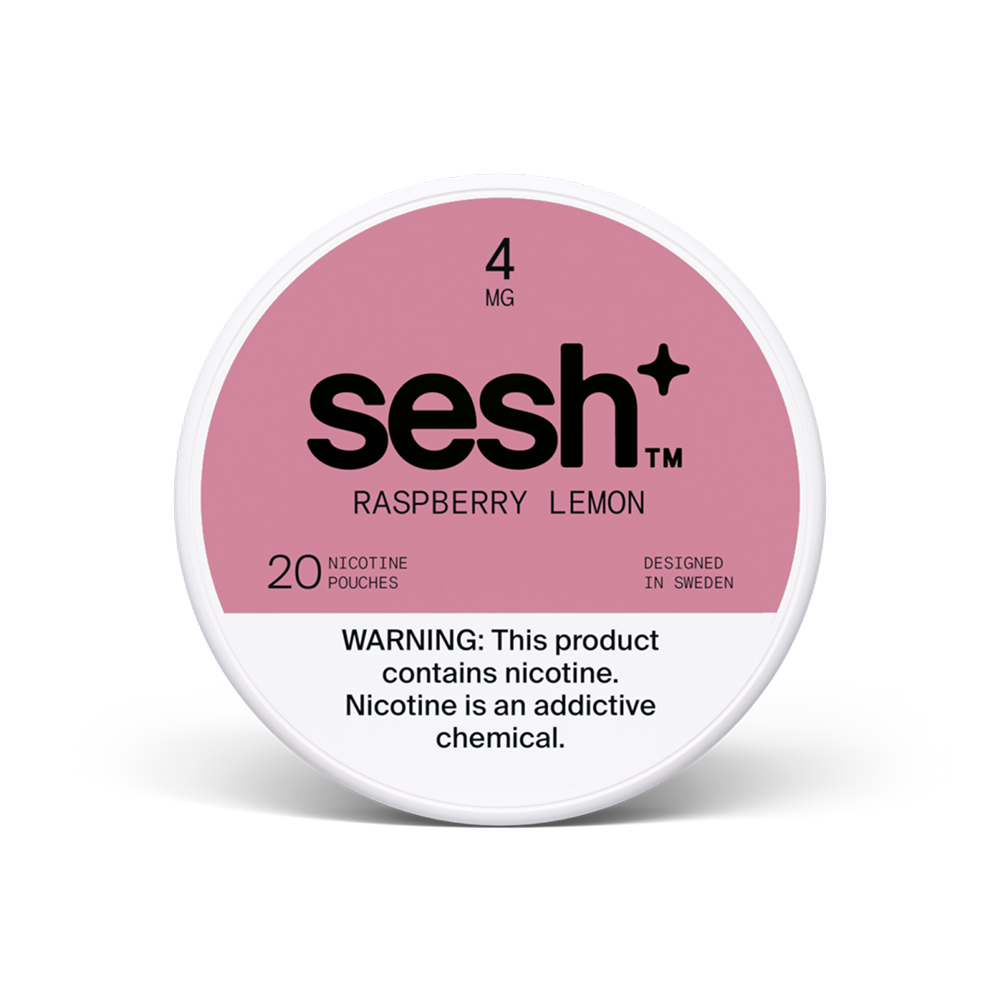
 Photo from Sesh+ Products
The measurement of water and humectants within a pouch that regulates the extraction rate of nicotine and flavor. Higher moisture levels typically facilitate a faster, more intense kick, while lower levels result in a slower, more sustained release.
A high-purity, synthetic nicotine complex encapsulated in a carbohydrate ring to enhance stability and ensure a consistent, controlled release. This formulation is primarily used in tobacco-leaf-free products to neutralize the natural bitterness of nicotine, resulting in a smoother taste and a more sustained user experience.
A discreet, tobacco-free oral product containing flavorings and plant-based fillers. Once placed between the lip and gum, this nicotine pouch delivers its active content through the oral mucosa without the need for combustion, vapor, or spitting.
A processed form of nicotine created by combining the alkaloid with a specific acid to lower its pH level. This chemical structure enhances bioavailability, allowing for a smoother throat hit and significantly faster absorption into the bloodstream, typically 30–40% quicker than traditional freebase nicotine.
Measured in milligrams (mg), nicotine strength represents the concentration of nicotine within a single pouch. This value determines the intensity of the experience, where a higher milligram count provides a more potent sensation and increased absorption into the bloodstream.
Strengths are generally categorized as:
| Nicotine Level | Strength Category | Target User Profile |
| 4mg | Regular | Beginners or those seeking a milder experience |
| 6mg | Regular | Established users preferring a balanced level |
| 8mg | Strong | Experienced users seeking maximum strength |
The process by which nicotine dissolves in saliva and enters the bloodstream directly through the oral mucous membranes. By bypassing the lungs (unlike smoking) and the digestive system (unlike ingestion), this method avoids first-pass liver metabolism, resulting in a more immediate and efficient delivery of nicotine to the body.
A measurement of the acidity or alkalinity within a pouch that dictates the speed and efficiency of nicotine absorption. Manufacturers use buffering agents, like sodium carbonate, to raise the pH level; this shifts nicotine from its stable salt state into a freebase state.
In this more alkaline form, nicotine permeates the oral mucosa more rapidly, resulting in a quicker and more pronounced effect.
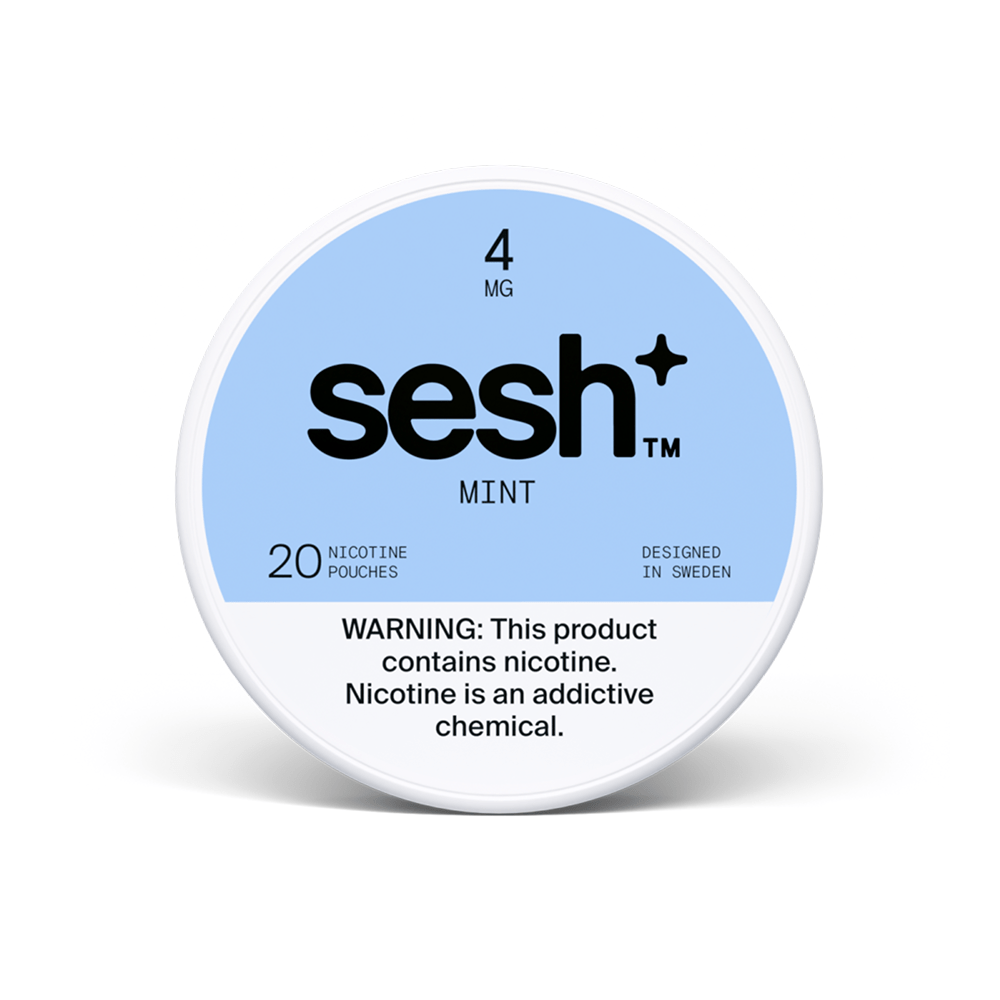
 Photo from Sesh+ Products
A dedicated storage space located on the top of a nicotine pouch container, often referred to as a waste compartment. It provides a discreet and sanitary way to temporarily store used pouches when a trash receptacle is unavailable, ensuring that moisture and odors are contained.
A discreet, pre-portioned pouch containing tobacco-derived or synthetic nicotine that is placed between the lip and gum for oral absorption. These products serve as a modern substitute for cigarettes or snus, as they require no combustion, produce no smoke, and do not require spitting.
A moist oral tobacco product made from ground tobacco leaf, specifically highlighting the fundamental distinction between it and modern, tobacco-free nicotine pouches, which use plant-based fibers and synthetic or extracted nicotine.
A laboratory-engineered form of nicotine produced without the use of tobacco plants. While it maintains the exact molecular structure of nicotine, it is free from tobacco-specific nitrosamines (TSNAs), agricultural residues, and other plant-based impurities found in traditional extracts.
A designation for products that contain no tobacco leaf, stem, or plant matter, distinguishing them from traditional snus. These pouches utilize either tobacco-derived nicotine or synthetic nicotine combined with food-grade fillers and flavorings to deliver a nicotine experience without the need for combustion or spitting.
A colloquial term for the convenience of nicotine pouches, emphasizing their discreet and hands-free application. It refers to the process of placing a pouch between the lip and gum and continuing daily activities without the need for equipment, spitting, or creating smoke and odor.
The timeframe during which a nicotine pouch remains active and flavorful while placed against the oral mucosa. Most pouches provide a consistent release of nicotine for 30 to 60 minutes, after which the flavor and accompanying tingling sensation dissipate, signaling that the pouch should be discarded.
A dry-surface pouch designed for a clean, discreet fit that minimizes drip during use. Because the material remains unmoistened during packaging, it provides a slower, more sustained release of flavor and nicotine while preventing the contents from staining teeth.
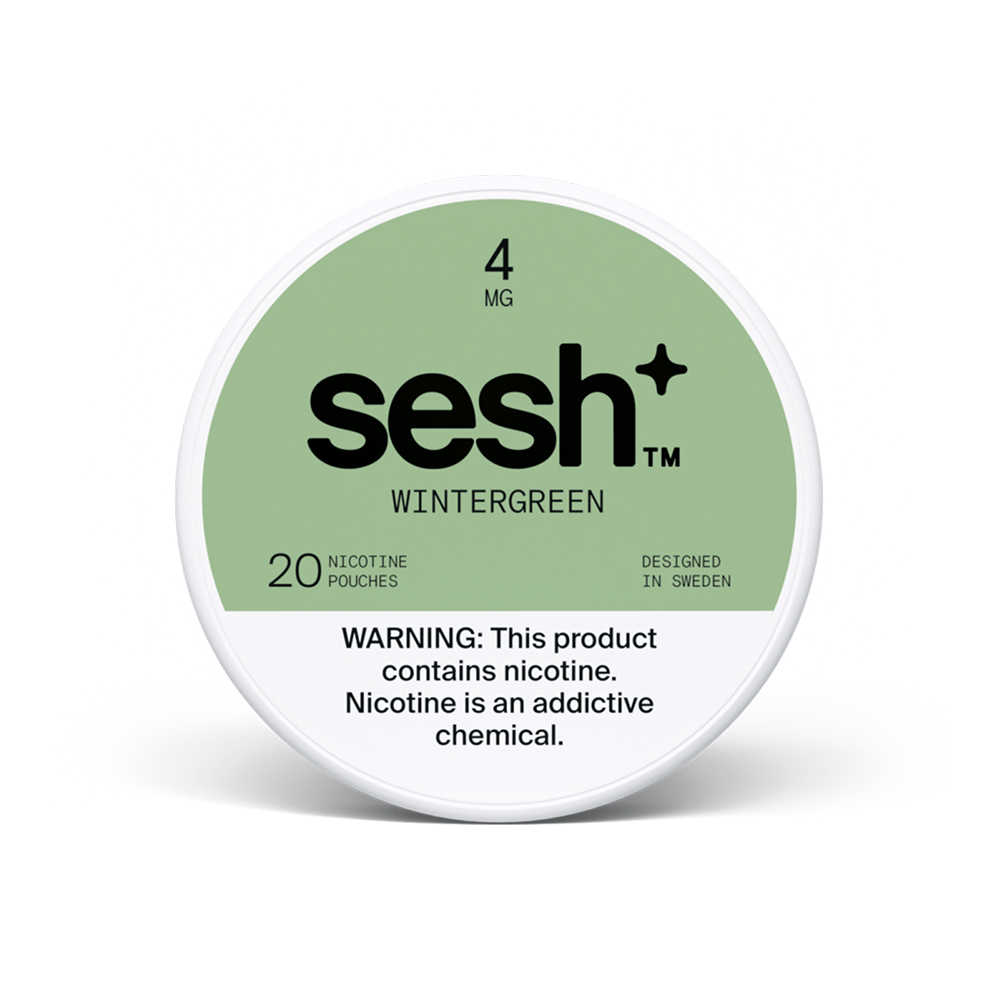
A distinct flavor profile characterized by a sweet, aromatic, and slightly medicinal mintiness with earthy undertones. While often grouped with general mints, wintergreen is distinguished from peppermint or spearmint by its bolder, cooler sensation and intense, refreshing sweetness.

Be the first to hear about our exclusive offers.
Subscribe to our newsletter and be the first to hear about our exclusive offers.